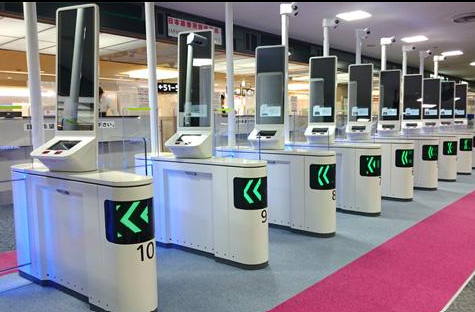
Managing employee attendance accurately is essential for every business. Manual registers and traditional punch cards often lead to errors, time theft, and payroll disputes. A biometric clock in machine provides a reliable and secure way for companies to track employee working hours.
By using biometric technology such as fingerprint or facial recognition, businesses can ensure that the right employee is clocking in and out every time.
Why Biometric Systems Make Sense
Biometric clocking systems are highly user-friendly, eliminating the need for physical cards or tags that can be lost, forgotten, or misused. Employees simply use their fingerprint to clock in and out, which not only streamlines the process but also reduces the chance of human error.
Enhanced Security and Access Control
Beyond attendance, biometric systems can be seamlessly integrated with access control solutions. This means employees can confirm their identity and gain authorised access to secure areas—all with a single touch. The uniqueness of each fingerprint ensures that only the right person can clock in, preventing buddy-punching and safeguarding restricted zones.
Reducing Time Theft and Payroll Errors
The precision of biometric authentication reduces the risk of time theft—no more clocking in for a colleague. This not only saves time but also protects the business from overpaying or underpaying staff, leading to more accurate payroll and increased trust in the system.
Boosting Efficiency
Compared to traditional methods, biometric systems help improve workplace efficiency. The automated process saves time for both employees and management, minimising manual intervention and ensuring that records are always accurate and up to date.
In short, biometric clock in and out machines provide a reliable, secure, and easy-to-use solution for businesses aiming to manage employee attendance effortlessly. is essential for every business. Manual registers and traditional punch cards often lead to errors, time
Biometric Clock In and Out Machine Models & Features
When it comes to choosing biometric clocking systems for your Cape Town business, there’s a wide array of models and features to suit every workplace. Modern options include:
- Fingerprint scanners: The go-to choice for most small to medium businesses, these systems from leading brands like ZKTeco, Suprema, and Hikvision are valued for their quick and accurate verification.
- Facial recognition terminals: Especially useful for touch-free environments, these systems add an extra layer of hygiene and speed—perfect for busy entry points and industries focused on health compliance.
- Multi-biometric devices: If you want maximum flexibility, you’ll find models that combine fingerprint, face, and even card or PIN authentication, delivering robust security plus convenience.
- Cloud-connected systems: Many solutions now sync seamlessly with cloud-based software, supporting features like real-time reporting, remote management, and automated payroll integration.
Whether you need a basic clock-in solution or a high-security access control system, there’s a biometric model tailored for your office, warehouse, or shop floor. Choose from wall-mounted terminals, desktop readers, or portable units—each designed to improve attendance accuracy and eliminate common errors found with paper registers or punch cards.
What Are Biometric Clocking Systems and How Do They Work?
Biometric clocking systems have rapidly gained popularity as a smarter, more reliable way to manage staff attendance. Instead of relying on paper registers, swipe cards, or PIN codes—which can be lost, forgotten, or passed between employees—these systems use unique human traits like fingerprints, facial recognition, or even iris scans to identify individuals. Think of it as having a digital doorman who never forgets a face (or a fingerprint).
Here’s how it works:
- When employees arrive for work, they simply scan their fingerprint or face at a biometric terminal.
- The device instantly matches this scan against its secure database.
- If a match is found, the employee is clocked in—no fuss, no errors, no chance of buddy-clocking.
Why does this matter for businesses in Cape Town and beyond? Biometric systems are virtually tamper-proof and eliminate the risk of staff clocking in for each other. This means more accurate attendance records and much less administrative headache for business owners.
Plus, these systems streamline reporting, make payroll processing easier, and give managers a real-time overview of who’s in the building—no more hunting through stacks of paper or chasing up lost timesheets.
In short, biometric clocking takes the guesswork—and the paperwork—out of attendance management, helping businesses stay efficient, secure, and compliant.
What Is a Biometric Clock In Machine?
A biometric clock in machine is a device that identifies employees using unique biological features. Instead of using cards, PIN codes, or paper registers, employees simply scan their fingerprint or face to clock in.
How Do Biometric Clock In Machines Work?
These devices use advanced sensors to capture and verify biometric data—typically fingerprints or facial features—ensuring only authorized individuals can log their attendance. Some models even support additional methods such as proximity card readers or mobile app-based clocking, offering flexibility for different workplace environments.
Versatile Solutions for Every Workplace
Modern biometric clock in machines are designed for various settings, from offices and factories to warehouses, retail stores, and construction sites. Many systems can also be integrated with existing access control equipment like turnstiles, gates, or doors, making it easy to manage both attendance and secure entry.
Enhanced Features and Flexibility
- Access Control Integration: Combine time tracking with access management, allowing only employees with verified attendance to enter restricted areas.
- Mobile Clocking Options: Ideal for teams on the move, mobile biometric readers or app-based solutions enable accurate tracking even at remote job sites.
- Additional Security Options: Some systems offer breathalyser integration or visitor management features for a comprehensive approach to site safety and compliance.
- Robust Reporting: All clock events are instantly recorded and sent to a cloud-based dashboard, enabling HR and management to monitor attendance in real time and streamline payroll processing.
By replacing outdated manual methods with biometric clock in machines, businesses can dramatically improve attendance accuracy, reduce time theft, and simplify payroll administration.
These clock events are instantly recorded and sent to a cloud-based dashboard where HR managers can monitor attendance in real time.
Biometric clock in machines are widely used in offices, factories, warehouses, retail stores, and construction sites.
Flexible Solutions for Every Business
One of the biggest advantages of biometric time and attendance systems is their ability to adapt to diverse workplace environments. Whether you’re managing a bustling retail floor, overseeing a construction crew on multiple sites, or running a large office, modern biometric systems offer plenty of flexibility.
Tailored to Fit Your Operations
You can easily customize these systems to suit your business’s unique needs:
- Activity-Based Job Costing: Assign different rates for specific tasks, projects, or jobs, enabling more accurate tracking of labor costs.
- Mobile Compatibility: Need to track remote teams or field staff? Many systems allow employees to clock in using their smartphones—often capturing GPS locations for an added layer of accountability.
- Integration with Payroll: Most solutions connect seamlessly to popular payroll platforms like Sage, QuickBooks, or Xero. This integration streamlines data transfer, reduces manual entries, and helps you include even leave transactions with just a few clicks.
- Adjustable Configurations: From scheduling shifts to handling complex attendance rules, biometric software can be configured to match company policies and seasonal changes.
So, whether you’re scaling up, managing multiple locations, or responding to new compliance requirements, these systems can be fine-tuned to meet your evolving business demands.
Mobile Clocking Options for Flexible Attendance Tracking
For businesses with teams working off-site, on construction sites, or traveling between locations, mobile clocking helps maintain accurate attendance records wherever work happens.
Popular mobile clocking solutions include:
- Mobile Biometric Devices: Portable fingerprint or facial recognition terminals, like the Suprema BioLite or ZKTeco’s handheld readers, allow employees to scan their biometrics on the go. These devices are ideal for field teams and remote job sites.
- Smartphone Apps: Attendance apps (such as Kronos, Deputy, or TSheets) turn any employee smartphone into a clock-in terminal. With features like GPS tagging, photo capture, and real-time updates, HR teams can verify both the identity and location of each clock-in.
- Team Clocking: Supervisors or team leaders can clock in entire groups at once using mobile solutions. This is especially useful for managing large crews at dispersed worksites.
With these options, companies can track time and attendance accurately—whether employees are at the office, on-site, or constantly on the move.
Features of Locally Developed Time and Attendance Software
Locally developed time and attendance software typically provides a complete solution tailored to South African businesses. These systems are designed with accuracy, affordability, and user-friendliness in mind, making them practical for businesses of any size.
Key features include:
- Accurate Tracking: The software captures and stores attendance data in real-time, minimizing errors and discrepancies common with manual methods.
- User-Friendly Interface: Designed for ease of use, employees and managers can quickly access and manage their schedules without complicated steps.
- Customisation Options: Flexible configurations allow businesses to adjust settings to fit their unique policies around shifts, overtime, and leave management.
- Seamless Payroll Integration: Many platforms sync directly with popular payroll software such as Sage or QuickBooks, reducing the risk of payroll errors and saving valuable administrative time.
- Cloud Accessibility: With cloud-based dashboards, HR teams can monitor attendance and manage reports from anywhere, ensuring business continuity.
These comprehensive features help South African companies streamline their workforce management and stay compliant with local labour regulations.
Seamless Integration with Your Existing Hardware
If you’re already using access control devices from trusted brands like HID, ZKTeco, Suprema, or Honeywell, you don’t have to start from scratch. Many modern biometric clock in systems are designed to work smoothly with compatible hardware you may already have onsite.
This integration means you can upgrade to robust biometric security without replacing your entire infrastructure—simply connect your current doors, turnstiles, or readers to the new solution. It’s a cost-effective way to enhance your workplace security while preserving your original investment.
Key Benefits of Biometric Clock In Machines
Eliminates Buddy Clocking
One of the biggest problems with manual attendance systems is “buddy clocking,” where employees clock in for colleagues who are late or absent. Biometric verification ensures that only the correct employee can clock in.
This protects businesses from payroll fraud and improves workforce accountability.
Improves Payroll Accuracy
Biometric clock in machines automatically track:
• Employee working hours
• Overtime
• Late arrivals
• Early departures
• Absenteeism
Beyond just accurate time tracking, biometric systems can also help streamline secure access control. With options like fingerprint readers, facial recognition, card and tag scanners, and even mobile clocking, businesses can choose the method that best suits their needs and workforce.
Seamless Payroll Integration
When integrated with payroll software, these hours can be exported directly to payroll systems, reducing human error and saving time for HR teams. Many biometric solutions are designed to work with leading payroll platforms, making it quick and easy to process payroll accurately. Even leave transactions and exceptions are included with payroll exports, ensuring your records stay up to date with minimal manual intervention.
Streamlines Job Costing and Project Management
Modern biometric clock in systems do more than just track attendance—they help with job costing too. You can assign specific job codes or activities as employees clock in and out, making it easy to record the exact hours spent on different tasks or projects.
This allows businesses to:
- Allocate labor costs accurately to projects or jobs
- Set custom pay rates based on roles, activities, or job sites
- Export detailed reports for billing, project tracking, or compliance
Seamless integration with popular payroll and accounting platforms like QuickBooks, Sage, or Xero further simplifies the process. By tying attendance data directly to job costing, companies gain clearer insights into workforce productivity and project expenses.
When integrated with payroll software, these hours can be exported directly to payroll systems, reducing human error and saving time for HR teams.
Enhances Workplace Security
Because biometric data is unique to each person, biometric clock in machines add an additional layer of security. Only registered employees can access certain areas or record attendance.
This helps businesses control access to offices, warehouses, and restricted work areas.
Seamless Integration with Existing Access Control Systems
Biometric clock in machines can be easily integrated with your current access control infrastructure, such as turnstiles, automatic gates, secure doors, and even vehicle barrier booms. By connecting biometric readers to access points, only authenticated employees are allowed entry—whether it’s a secure office entrance, a staff-only warehouse zone, or a parking area.
This integration enhances site security and simplifies movement control within your premises. For example:
- Employees scan their fingerprint or face at the entry gate; the door unlocks only on a match.
- Turnstiles fitted with biometric readers prevent tailgating and unauthorized entry.
- Vehicle booms work with biometric verification to allow only approved staff vehicles into parking areas.
By combining attendance tracking with physical access control, businesses streamline both security and HR processes, creating a single, efficient system for managing workers across all areas of the site.
Seamless Integration with Visitor Management Systems
For companies that also handle regular visitors, modern biometric clock in machines can integrate with popular visitor management systems like Envoy and Proxyclick. This unified approach means both employees and guests are managed from the same dashboard.
With this integration:
- Visitors are registered using similar biometric or digital check-in processes.
- Entry and exit times for both staff and guests are securely logged.
- Security and compliance are improved, as only authorized individuals gain access.
This all-in-one solution streamlines the process, making it easy for reception staff and HR teams to track everyone entering and exiting the premises without juggling multiple tools or spreadsheets.
Real-Time Attendance Visibility
Modern biometric systems connect to cloud dashboards that allow managers to view attendance in real time. This is particularly useful for businesses with multiple branches or remote locations.
HR managers can instantly see who is present, late, or absent.
Mobile Workforce Management Made Easy
Managing a mobile or off-site workforce poses unique challenges for tracking attendance. Fortunately, biometric clock in systems have evolved to address this need.
With mobile biometric solutions, employees who travel between sites or work remotely can clock in using their smartphones or portable biometric devices like the Suprema BioMini or ZKTeco portable scanners. Many systems feature built-in GPS, so each clocking event can be logged with the employee’s exact location.
This approach ensures:
- Accurate time and location data for every employee, whether they’re in the office or on the road
- Elimination of after-the-fact manual entries or questionable paper logs
- Real-time visibility for managers into field staff movements and attendance
For businesses with teams on the move—like construction, security, or sales—this level of oversight increases transparency and strengthens payroll accuracy, no matter where the day takes your team.
Saves Time and Reduces Administration
Manual time tracking requires HR staff to collect, review, and process attendance records. A biometric clock in machine automates this entire process.
This reduces administrative workload and allows managers to focus on more important operational tasks.
What Customers Say About Biometric Time and Attendance Solutions
Businesses across industries consistently report noticeable improvements after adopting biometric time and attendance systems. Many users highlight how straightforward these systems are to operate, noting that setup is quick and ongoing use requires minimal training for staff.
Users appreciate the peace of mind that comes with automatic, error-free attendance records. One HR manager from a logistics company shared that switching to biometric clock-ins finally resolved long-standing payroll headaches and disputes—a sentiment echoed by teams in retail, manufacturing, and construction.
Customer support also receives praise for being prompt and knowledgeable, helping ensure smooth onboarding and reliable operation. Some organisations note their transition to software like Kronos and ADP brought not only greater accuracy in tracking work hours but also reduced administrative overhead, allowing them to focus more on people than paperwork.
In summary, businesses that implement biometric attendance systems often experience:
- Simple and intuitive employee onboarding
- Fewer payroll errors and disputes
- Streamlined HR administration
- Enhanced workplace integrity and security
- Responsive and helpful customer support
The positive feedback underscores the measurable benefits of moving away from manual systems and embracing biometric technology.
Reliable Support and Long-Term Peace of Mind
Investing in a biometric clock in machine isn’t just about the technology—it’s also about ongoing reliability. Most biometric hardware comes with manufacturer warranties, which means faulty devices can be swiftly repaired or replaced, ensuring minimal downtime for your business.
In addition, robust technical support is essential for software peace of mind. With dedicated technicians and developers just a call or email away, any issues—whether it’s a glitch or a simple software update—can be resolved quickly. This support structure keeps your system running smoothly, helps prevent unexpected disruptions, and allows managers to focus on what matters most: running an efficient and secure workplace.
The Future of Workforce Management
Biometric clock in machines are becoming the standard for workforce management in South Africa. With increased focus on efficiency, compliance, and automation, businesses are moving away from manual systems and adopting biometric technology.
By implementing a biometric clock in machine, companies gain more accurate attendance records, better payroll control, and improved workplace productivity.
📧 glen@timemaster.co.za
🌐 www.timemaster.co.za
🟢 WhatsApp 083 679 1311
https://wa.me/27836791311